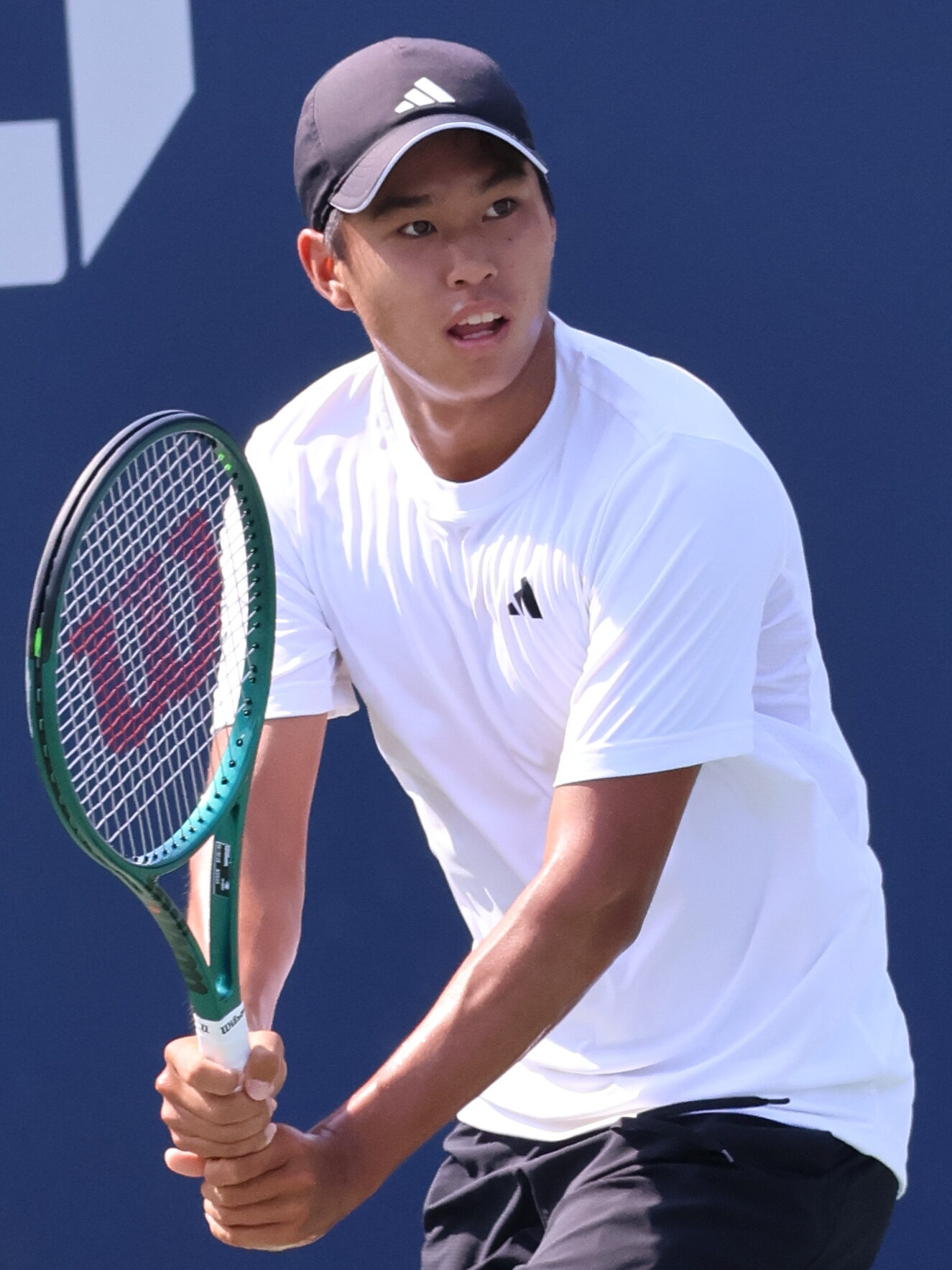
The first thing you notice is the light. In Indian Wells, it’s not just bright; it’s a presence. The desert sun drapes the courts in a golden hush that reveals everything—your footwork, your habits, your doubts. For Learner Tien, a lefty with soft hands and a stubborn belief in the long game, that light became a mirror. It showed him who he’d been. It hinted at who he could be.
He arrived in the Coachella Valley with the feel of cracked public-court asphalt still in his bones. Southern California kid, racquet bag heavier than his years, he’d been building toward this—quietly, deliberately. The junior trophies were nice, the wild cards to New York surreal, the taste of college tennis at USC grounding. But the dream was always here: under mountain silhouettes and stadium roars, where tennis feels both intimate and immense.
What most people didn’t see were the thousands of tiny “yeses” that preceded the moment. Yes to the 6 a.m. serves before school. Yes to the rehab work on days when the body bargained for rest. Yes to the patience it takes on the Challenger circuit, where the crowds are small but the lessons are loud. Yes to the notebook he kept, scribbling reminders after wins and losses alike: Breathe. Trust patterns. Play forward.
When the draw came out, the pundits talked about experience and rankings and “tough sections.” Learner and his team talked about first balls, height over the net, the right margins in the wind. The plan wasn’t glamorous. It was clear. Use the lefty serve to pry open the court. Change rhythm with the forehand. Show the backhand up the line just enough to keep big hitters honest. And above all, compete like the scoreboard was a rumor.
Then came the days that change a season. A first-round win built on nerve—a tight tiebreak taken with a knifed return and a feathered drop shot that coaxed the desert applause into something closer to belief. An upset over a seed with a name big enough to make your pulse skip, sealed by a closing run of first-serve bullets and a backhand that didn’t miss when it mattered. Each round, his court got bigger and the game got simpler. Point by point, he kept shrinking the moment back to the size of his breath.
The desert loves a new story. Families leaning over railings for signatures. Retirees in wide-brim hats trading scouting reports. Kids with junior racquets studying the lefty slice like a magic trick they might learn by summer. Learner signed the balls, smiled for the photos, and walked back to the practice courts with the same calm he had on day one. You don’t rush belief. You water it.
By the time the quarterfinal bid was on the line, the stadium had the special electricity that only youth brings to sport: the sense that something is happening earlier than it’s supposed to. He faced down break points with patterns he trusted, not shots he wished for. He took time away from a bigger hitter with an early takeback, moved in behind a second serve that begged for timidity, and met it instead with conviction. When the last ball sailed long, he didn’t roar. He looked at his box, nodded once, and let the noise of the place carry the moment for him.
He wasn’t supposed to move this fast. Not by the logic of the calendar. Not by the pecking order of a tour that usually insists you learn the hard way before it lets you dream the easy way. But that’s the paradox of progress: it takes years to look like it happened overnight.
What does a run like this change? Not the fundamentals. He’ll still measure days in small wins: a better first-serve percentage in the wind, a tighter return position on deuce, a cleaner recovery step after the forehand. He’ll still carry his own bag and say thank you to the ball kids. He’ll still write in the notebook after the lights go out: Process over outcomes. Stack good days.
But something else is different now. The kid who once peered through the fence at pros trading haymakers under the Indian Wells sun has stepped inside the picture. The mountain backdrop that used to make his dreams feel far away is the same one that frames his warmups. The desert light that reveals everything doesn’t just show the flaws. It shows the future.
Whether this week ends with a trophy or simply with a new ceiling raised, Learner Tien’s run in California is more than a headline or a record soundbite. It’s a reminder of why the sport keeps pulling us in: the way a young player can fold years of work into a few lucid days and, for a moment, make the biggest stadium feel like the same cracked courts where it all began.
The light is still the same. The kid isn’t. And that’s the point.
Schreibe einen Kommentar